What to Do If You Have a Crash in Oregon
"I was satisfied once John Bell took over my case."
"Communication was always timely."
What to Do If You Have a Crash in Oregon
The first few moments after a car crash can be disorienting. A person's first thought and first action may involve safety. It is important to check yourself and others for injuries, get to a safe spot if possible, and call 911. Taking these initial actions is essential for protecting everyone involved and getting the help you need on the way.
Prioritizing Safety Immediately After a Crash
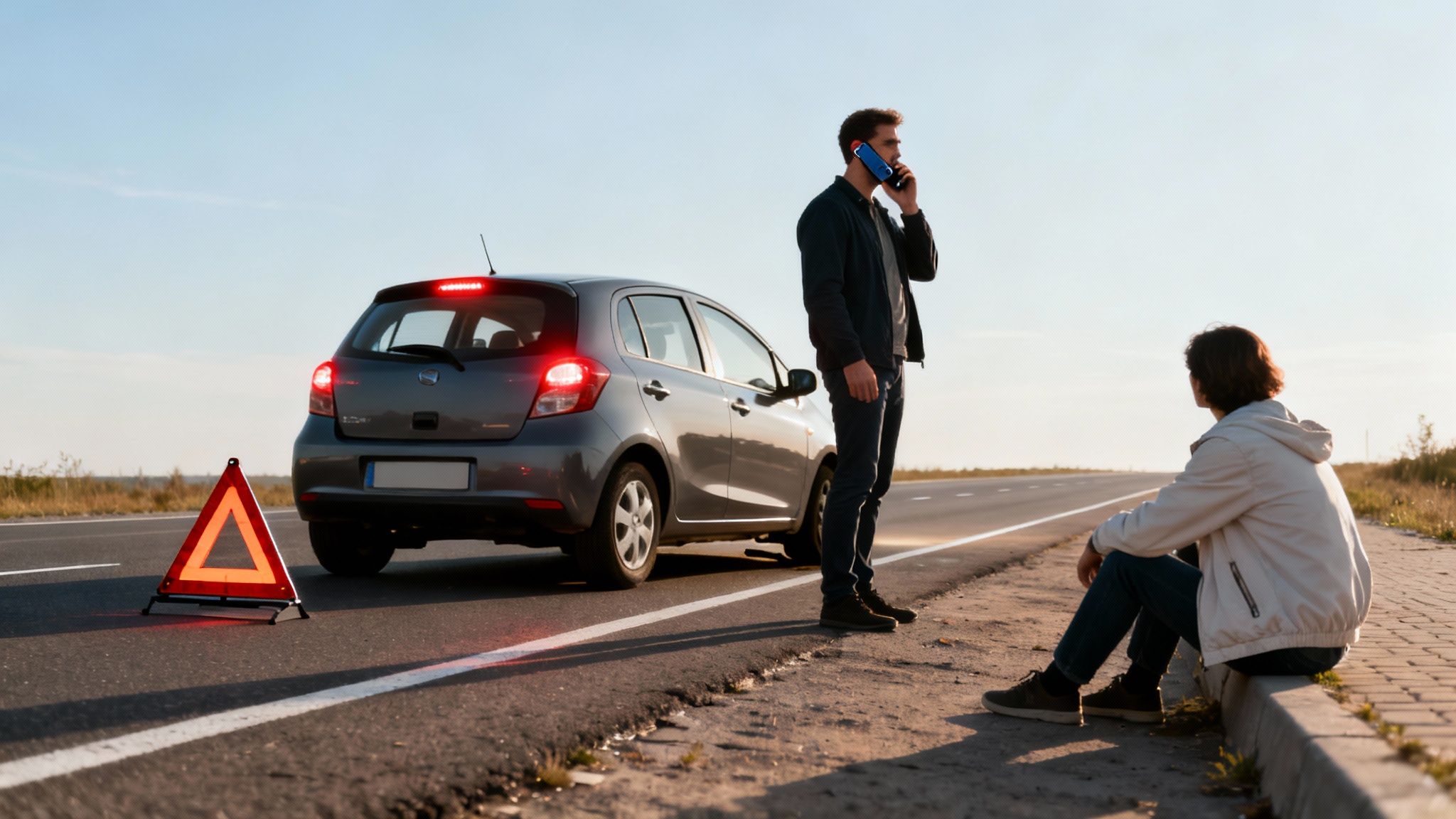
It can be easy to be overwhelmed by confusion and adrenaline right after a collision. The well-being of every person involved is a primary concern. Before doing anything else, it may be helpful to take a deep breath and do a quick check on yourself and your passengers.
The shock of a crash can mask injuries like whiplash or a concussion. A person might feel fine at the scene, but symptoms can show up hours or even days later. This is one reason why getting a medical evaluation may be a good idea.
Securing The Scene
After checking on injuries, it is important to assess the surroundings. If your car is still drivable and you're blocking a busy intersection or sitting in a high-speed lane, you might consider carefully moving it over to the shoulder. As soon as it is safe, turn on your hazard lights to warn other drivers.
However, if moving the car feels unsafe or someone appears seriously hurt, it may be best to leave it where it is. The same applies to major fluid leaks or heavy vehicle damage. Personal safety is a high priority. In those cases, waiting for emergency crews to arrive and take control of the scene is an option.
A primary responsibility after a crash is to prevent further harm. This can mean making calm, safety-oriented decisions about your vehicle's position and your own movements until professional help arrives.
Having a few emergency tools in your car can make a difference. Items like a first-aid kit, reflective triangles, and even car safety hammers can be useful in certain situations.
Contacting Emergency Services
Calling 911 after an accident is a common and important step, even if the accident seems minor. A police report creates an official record of what happened, which insurance companies may require.
When you talk to the 911 operator, try to be clear and direct. They may need to know:
- Your exact location (street names, landmarks, or highway mile markers).
- How many cars and people are involved.
- If anyone is obviously injured.
- Any immediate dangers like fire, smoke, or leaking fuel.
Staying as calm as possible and giving accurate information helps the dispatcher send the right kind of help, fast. In these situations, every second can count. The National Highway Traffic Safety Administration (NHTSA) estimated that 17,140 people died in motor vehicle crashes in just the first half of a recent year. These sobering numbers are a powerful reminder of why taking immediate, decisive actions is so critical.
How to Document the Scene and Exchange Information
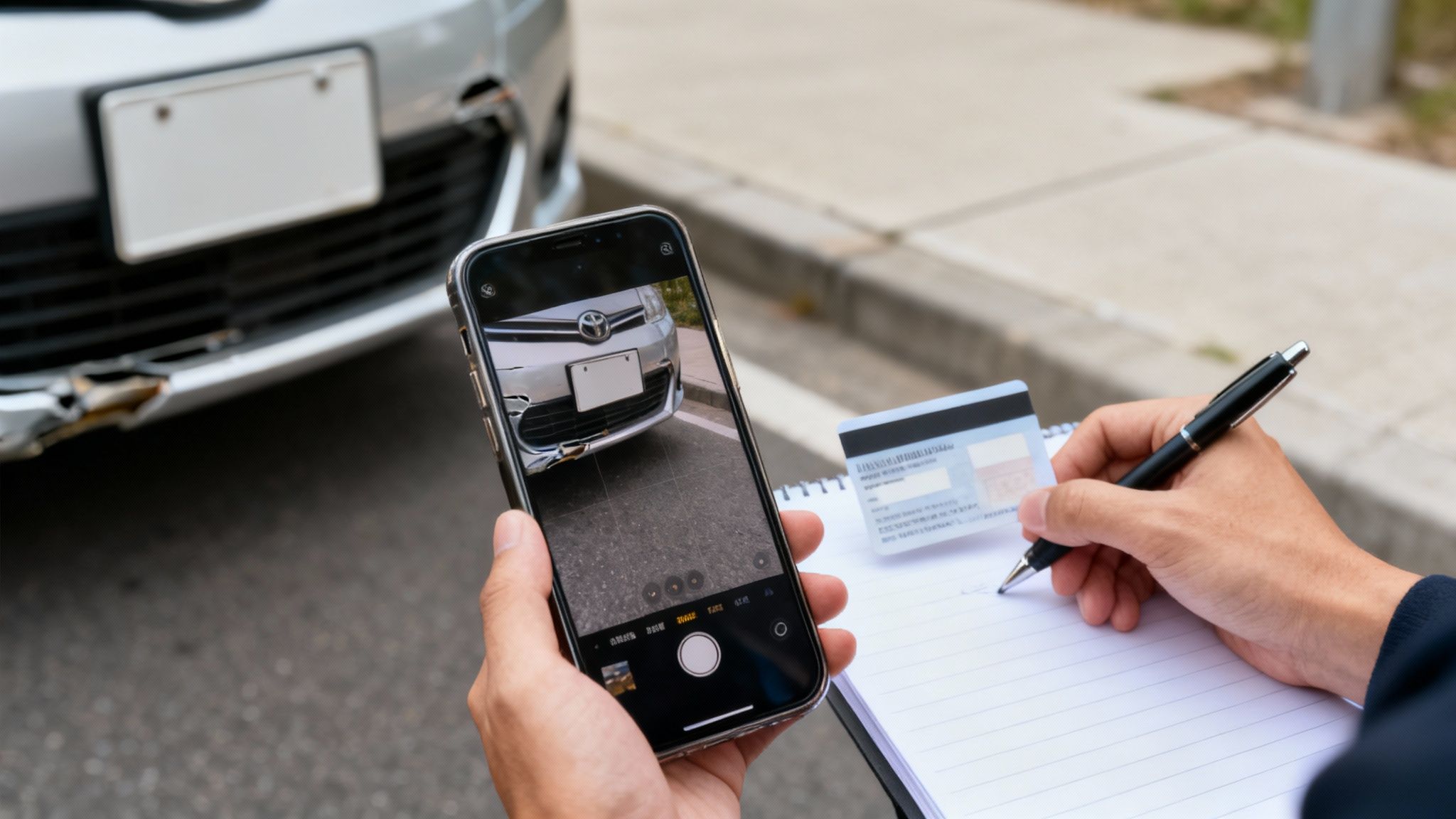
Once it has been established that everyone is safe and any necessary emergency services are on their way, a person's focus might shift. The next step—gathering information—can be critical. While your mind may be racing and adrenaline pumping, methodically documenting everything possible is a powerful step a person can take.
A smartphone can be a useful tool in this situation. It's a camera, a notepad, and a recorder all in one. The first order of business could be to exchange key information with the other driver. It is important to stay calm and factual during this process. Some people choose to avoid apologizing or debating who was at fault, and instead stick to exchanging information.
Key Information to Exchange
When speaking with the other driver, you may need to both give and get some specific details. This can be thought of as laying the groundwork for the insurance claim that may follow.
Here’s what you might need to collect from them:
- Full Name and Contact Information: Their full legal name, current address, and a good phone number.
- Insurance Details: Ask to see their insurance card. Taking a clear picture of it with your phone can be an easy way to capture this information. Make sure you can read the company name and policy number.
- Driver's License: Politely ask for their license number and the state that issued it.
- Vehicle Information: Note the make, model, year, and color of their car, and don't forget the license plate number.
This isn't about being nosy; it’s about creating a factual record. Having this complete set of information can make dealing with the insurance companies a smoother process.
A detailed collection of information at the scene provides a factual snapshot of the incident. This objective record is often referenced by insurance providers and can be a key component in understanding the events that occurred.
Using Your Phone to Capture the Scene
Your phone's camera can be one of the most powerful tools you have at this moment. Photos tell a story that words can't, capturing the reality of the collision in a way that can be hard to dispute later. As long as it's safe to move around, start taking pictures from every possible angle.
Be thorough. Try to capture photos of:
- Vehicle Damage: Get up close to show the specific damage on all vehicles, but also take wider shots that show the entire car and where the damage is located.
- The Overall Scene: Step back to capture the big picture. You may want photos that show the final resting positions of the cars, nearby traffic signs or signals, and any relevant lane markings.
- Road and Weather Conditions: Was the road wet? Were there potholes? Was it a construction zone? Snap photos of anything that might have played a role.
- Skid Marks and Debris: Don't overlook tire marks on the pavement or broken parts scattered on the road. These could be crucial pieces of evidence.
These images create a visual timeline and can be invaluable down the road.
Find Witnesses and Jot Down Your Own Notes
Take a moment to look around. Did anyone see what happened? An independent witness—someone with no personal stake in the outcome—can offer a powerful, impartial account of the crash.
If you see someone who stopped, you could politely ask if they saw the collision and if they'd be willing to give you their name and phone number. Make a quick note of where they were when they saw it (e.g., "woman at the bus stop" or "driver in the red truck behind me").
While the police will likely interview them, having their contact info yourself can be a good idea. The details gathered for the official police report are often a cornerstone of any insurance claim. For more on this topic, you can learn about how to get a car accident police report in Oregon in our detailed guide.
Meeting Oregon's Accident Reporting Requirements
Once you've handled the immediate chaos at the scene, your next responsibility may be dealing with official paperwork. This isn't just about insurance; Oregon has specific laws about when you must report a crash to the state, and it’s a step some people may miss.
This requirement is completely separate from calling 911 or even talking to an officer who shows up. It involves a specific form called the Oregon Traffic Accident and Insurance Report, and failure to file it on time could lead to license suspension.
When You Must File a DMV Report
You do not need to report every minor parking lot bump, but the official reporting threshold is surprisingly low. A person is legally required to file the DMV report if the crash resulted in:
- Any Injury or Death: This is a major factor. If anyone—a driver, passenger, pedestrian, or cyclist—is injured in any way, a report must be filed. It doesn't matter how minor the injury seems at the time. The same applies to any fatality.
- Property Damage Over $2,500: If the damage to your car, the other person's car, or any other property (like a mailbox or a fence) appears to exceed $2,500 in repair costs, a report is mandatory. With the high cost of vehicle repairs today, it's easy to reach this amount.
- A Vehicle Being Towed: If any car involved is too damaged to drive away and requires a tow truck, a report must be filed.
The clock starts ticking the moment the crash happens. There is a 72-hour window to get this form submitted to the DMV. They are very strict about this deadline.
Police Reports vs. Your DMV Report
This is an area where some people get confused. They may assume that if the police came and wrote a report, their obligation is met. That is not how it works in Oregon. The police report and your DMV report are two different documents serving two very different purposes.
The police report is the officer's official record of the incident. It includes their observations, diagrams, witness statements, and sometimes their opinion on who was at fault. Insurance companies may lean heavily on this document when starting their investigation.
Your Oregon Traffic Accident and Insurance Report, however, is your direct statement to the DMV. It's your side of the story, and crucially, it serves as proof that you were carrying the required auto insurance when the crash occurred.
It is not safe to assume the police report covers your legal duty. Even if an officer files a detailed report, you are still personally responsible for submitting your own form to the DMV within 72 hours if the accident meets any of the state's criteria.
Getting a copy of the police report is a separate process. You'll typically need to request it from the specific law enforcement agency that responded, whether that was the Oregon State Police, the county sheriff, or a local city police department. Taking care of these state-mandated reporting duties is a critical part of the post-crash process.
Navigating Your First Conversations with Insurers

After the initial shock of a crash wears off, the phone calls may start. This is an unavoidable part of the process, and knowing how to handle these conversations with insurance companies can make a world of difference. A helpful approach is to stay calm, clear, and factual.
The first call you make should generally be to your own insurance company. Check your policy—most require you to report an accident promptly to keep your coverage intact. When you get them on the line, stick to the facts. Provide the essentials: the date, time, and location of the crash, a description of the vehicles involved, and the police report number if you have it.
There's no need to guess about who was at fault or get into detailed discussions about your injuries on this initial call. Just provide the basic, confirmed facts. This gets your claim started.
Speaking with the Other Driver's Insurer
It may not be long before you hear from the other driver’s insurance adjuster. Their job is to call you and gather information to protect their company's interests.
This is a conversation where it may be beneficial to be cautious. The adjuster will likely sound friendly and ask seemingly innocent questions about the crash, the damage to your car, and how you’re feeling. It can be wise to keep your answers brief and focused strictly on the known facts of the collision. For more general information, our guide on how to deal with insurance adjusters offers some tips.
These early calls are more important than one might think, especially when considering the potential stakes. Recent data shows that passenger vehicles are involved in 60% of all motor vehicle fatalities, and a staggering 69% of those deaths are people between 18 and 59 years old.
Recorded Statements and Early Offers
The adjuster will likely ask you for a recorded statement. This can be viewed as a formal, on-the-record interview that they can and may use later. You are not required to give one, and it is often a good idea to decline until you've had a chance to consider your options or seek legal advice.
You might also get a settlement offer surprisingly fast. An adjuster may call within days of the crash with an offer, hoping you'll take it before you realize the true extent of your injuries or the full cost to repair your car.
An early settlement offer can be a tactic. The insurer may want to close the case for as little money as possible. Before considering an offer, it is important to have a complete picture of your medical bills, future treatment costs, lost income, and property damage.
Once you accept an offer, the matter is typically concluded. You sign away your right to any future compensation for this accident. If you feel the insurance company is making an unfair offer or denying your claim, it's crucial to understand how to dispute an insurance claim effectively. Rushing this step is a mistake some people make. Take your time.
Protecting Your Interests in the Days and Weeks That Follow
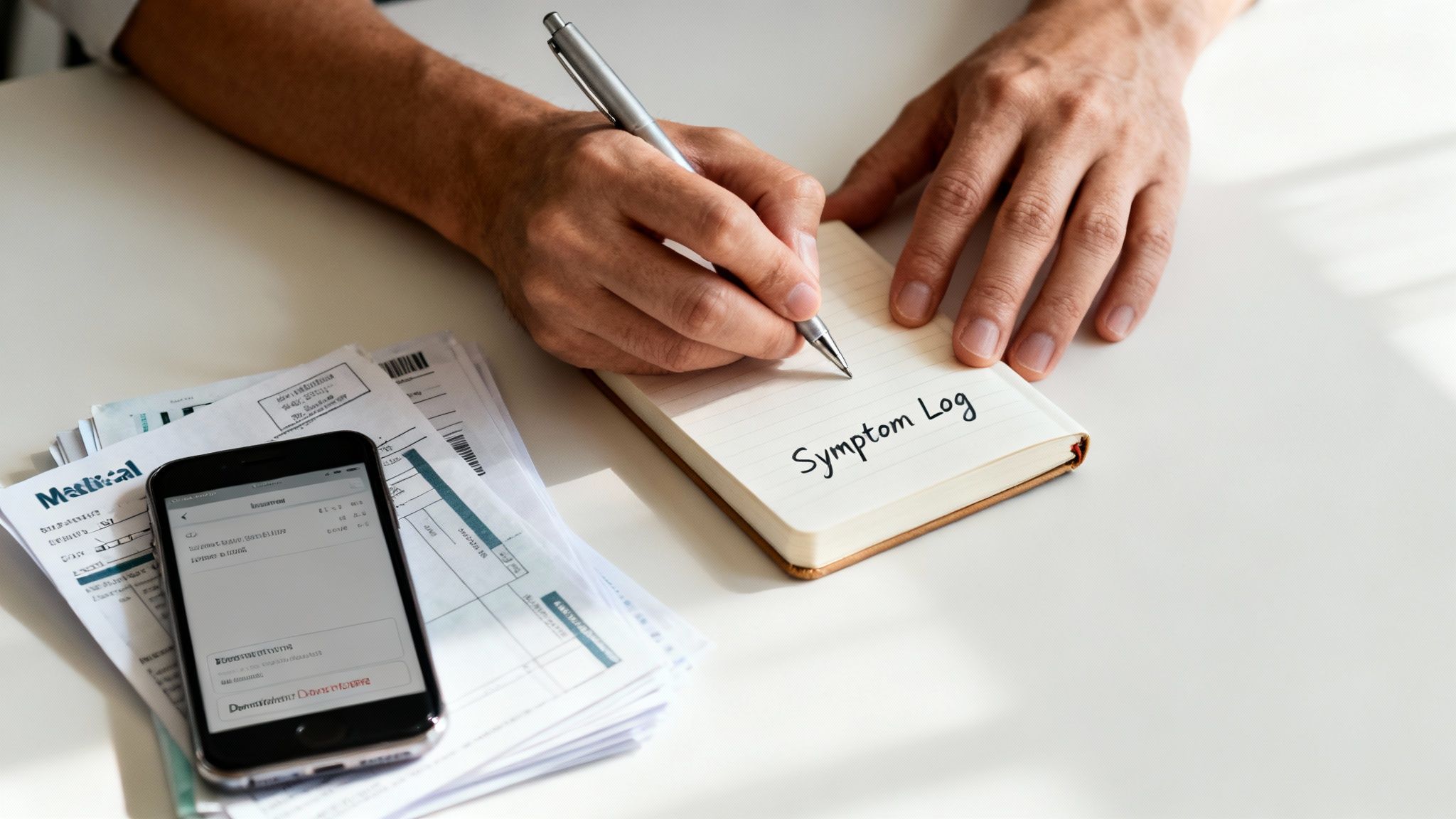
What you do after leaving the crash scene can be just as crucial as what you did while you were there. The initial shock might be over, but the next phase is about methodically managing your recovery and keeping meticulous records. This is where you lay the groundwork to protect your rights.
First and foremost, your health is paramount. Following through on all medical advice isn't just for your well-being—it creates a clear, documented history of your injuries. This means showing up for every follow-up appointment, sticking with any physical therapy regimen, and filling every prescription.
Start Your Own Detailed Log
While official medical reports are key, your personal records can fill in the gaps and tell a more complete story. One strategy is to get a simple folder or binder and make it the central hub for every piece of paper related to the crash. This can include medical bills, repair estimates, pharmacy receipts, and any letters from insurance companies.
It can also be incredibly powerful to keep a personal journal. This is where you can document the things a medical chart may not cover.
- Daily Pain & Symptoms: Jot down what hurts each day. Where is the pain? What does it feel like—sharp, dull, aching? Rate its intensity. This creates a running log of your physical state.
- Emotional & Mental Toll: Are you feeling anxious on the road? Having trouble sleeping? These are real impacts of a crash and can be recorded.
- Impact on Your Life: Note how the injuries are disrupting your normal routine. Perhaps you can’t lift your kids, do yard work, or even sit at your desk without pain. These details can be important.
A detailed personal log tells the human story behind the medical bills. It connects the dots between your treatments and your real-world experience, painting a full picture of how the crash has truly affected you.
This kind of consistent tracking creates a timeline that can become invaluable when trying to explain the full scope of your losses later on.
Knowing When to Get Professional Advice
The aftermath of a crash can get complicated fast. There are moments when getting an expert opinion is a prudent move. The point of talking to an attorney is to understand your rights and ensure you have someone in your corner.
You might consider reaching out for legal guidance if you're facing:
- Serious Injuries: If you’ve suffered injuries that could require long-term care or permanently affect your ability to work or live your life as you did before.
- Fault is Being Disputed: When the other driver—or their insurance company—is trying to assign blame to you.
- Unfair Insurance Negotiations: If you feel the adjuster is giving you the runaround, pressuring you, or making a lowball offer that does not come close to covering your losses.
Understanding the bigger picture of road safety helps put this all in context. The National Highway Traffic Safety Administration (NHTSA) has reported 13 consecutive quarterly declines in traffic fatalities, which is good news. Yet, even with these improvements, an estimated 40,990 people still died on U.S. roads in a single recent year. For anyone in Oregon dealing with the aftermath of a crash, this statistic is a sobering reminder that accidents continue to have devastating consequences. You can read the full NHTSA report on recent traffic fatality data for more details.
Common Questions After a Car Crash in Oregon
The minutes, days, and weeks after a car crash can feel like a blur, and it's completely normal to have a flood of questions. You're suddenly dealing with insurance companies, medical appointments, and legal deadlines you may have never had to think about before.
Let's walk through some of the most common concerns people in Oregon have to provide some clarity as you figure out your next steps.
How Much Time Do I Have to File a Claim?
This is one of the most critical questions, and for a good reason. Oregon, like every state, has a strict legal deadline for filing a personal injury lawsuit, known as the statute of limitations. Missing this window could mean losing your right to seek compensation forever.
The exact deadline can be complicated and often depends on the specifics of an accident. Understanding the Oregon personal injury statute of limitations is absolutely essential for protecting your rights.
What If I Am Partially at Fault for the Crash?
Many collisions are not black and white. It is common for more than one driver to share some responsibility. So, what happens then?
Oregon operates under a legal principle called "modified comparative negligence." In simple terms, this means a person may still be able to recover damages even if they were partially at fault, as long as their share of the blame is not more than the other party's.
However, any final compensation may be reduced by a percentage of fault. If a person is found to be more than 50% responsible for the crash, they generally cannot recover damages from the other driver. Determining that percentage is a detailed process based on all the evidence from the scene.
Do I Have to Accept the Insurance Company's First Offer?
It is a frequent tactic: soon after a crash, an insurance adjuster might call with a quick settlement offer. It can be tempting, especially when bills are piling up.
You are never obligated to accept the first offer. These initial offers are often made before you may know the full extent of your injuries, future medical needs, or lost wages.
Once you accept a settlement, the case is typically closed for good. You can't go back and ask for more money if you discover your injuries are more severe than you first thought. It's crucial to take your time and fully understand the total impact of the crash before signing anything.
When the questions feel overwhelming and the path forward is unclear, having an experienced guide in your corner can change everything. The team at Bell Law focuses on helping Oregonians understand their rights and navigate the road to recovery. If you need support, contact us at https://www.belllawoffices.com for a consultation.
Disclaimer: The information on this page is provided for general informational purposes only and is not legal advice. Reading this content does not create an attorney-client relationship. For advice about your specific situation, please contact a licensed attorney.